


REVIEW: Grease - Ipswich Musical Theatre Company

Grease
Presented by: Ipswich Musical Theatre Company
Venue: Ipswich Civic Centre
Date attended: 12 September 2026
Director: Thomas Armstrong-Robley
Musical Director: Matt Rofe
Choreographer: Simon Lind
Sound Design: Murray Keidge
Lighting Design: Zephyr Burns
Set Design: Thomas Armstrong-Robley and Zephyr Burns
Wardrobe: Delma Odger and Kaisa Howard
Stage Manager: Jacob Olsen
Photography: Justin Marriner
Welcome back to Rydell High, where the skirts are big, the hair is slick, and emotional maturity is still several years away. Ipswich Musical Theatre Company has taken over the Ipswich Civic Centre with Jim Jacobs and Warren Casey’s original stage musical. If the 1978 film is your main reference point for Grease, prepare for a few “wait, that’s different” moments.
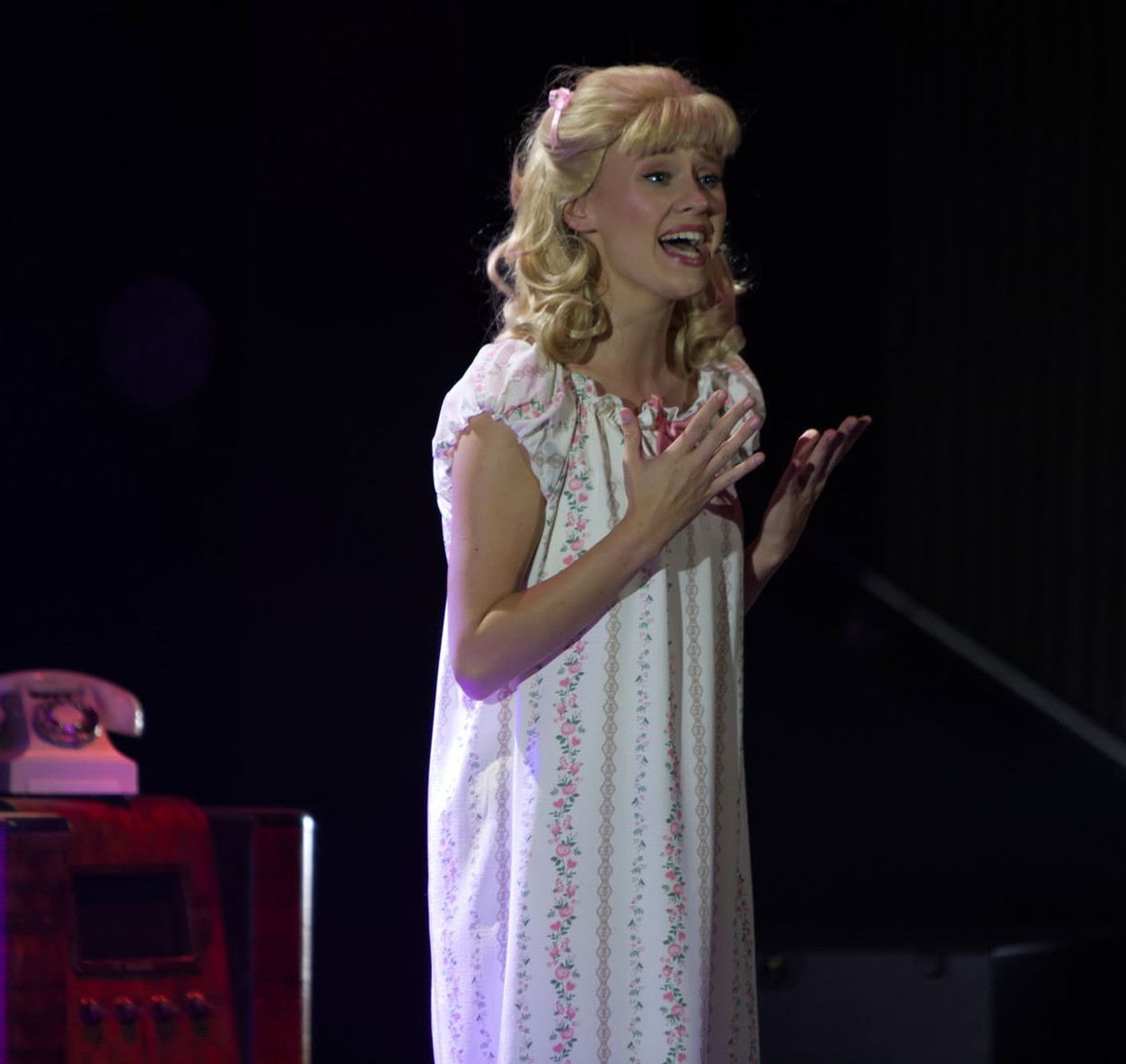
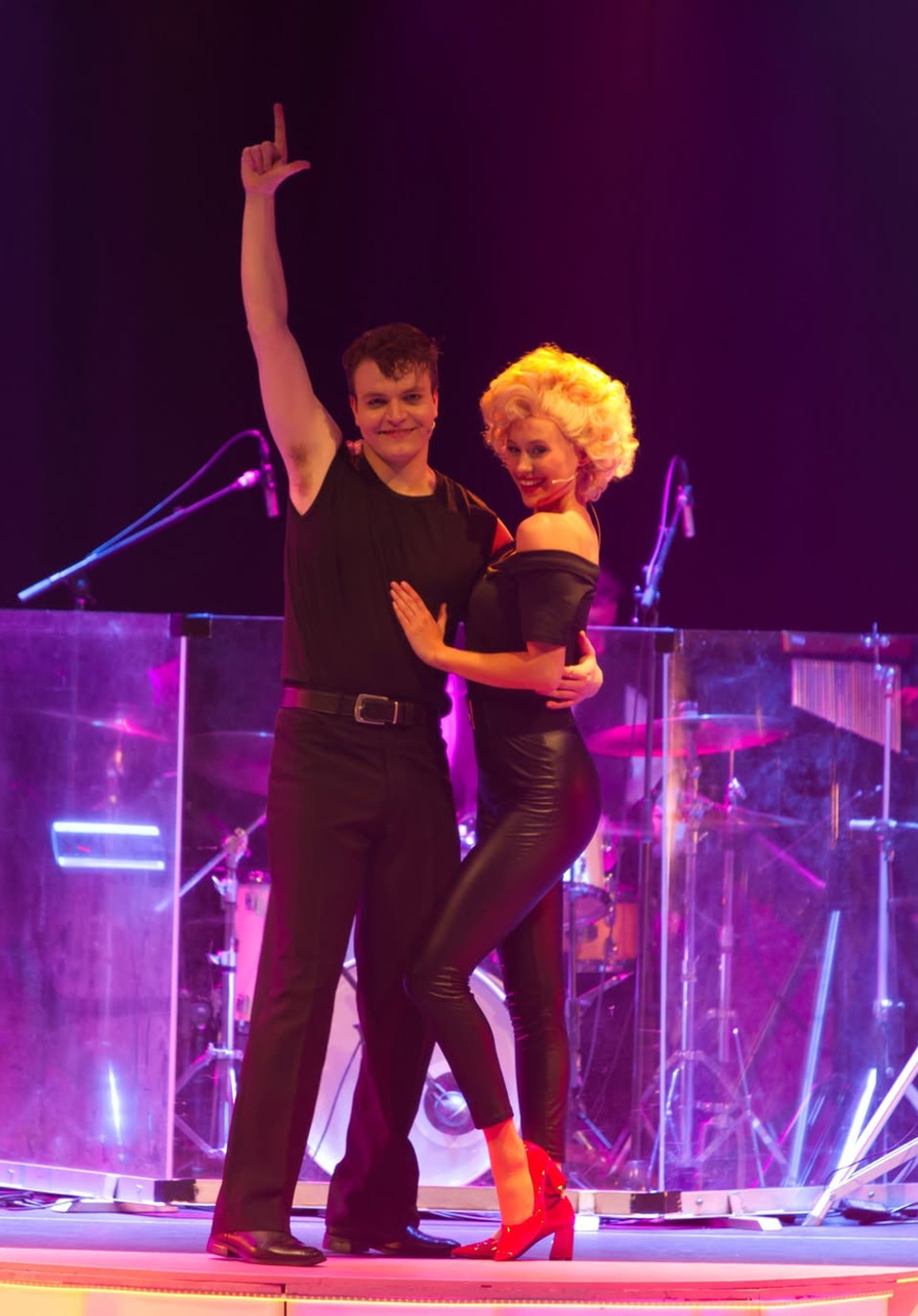
Bethanie Walsh is perfectly cast as Sandy, floating in with her buttery hair, a daisy-yellow OOTD, and a soft speaking voice (no Aussie accent in this version, btw), every inch the sweet new girl at Rydell. Then she opens her mouth to sing and has an entirely different set of lungs hidden there. “Hopelessly Devoted to You” lets her massive voice loose, with clear notes sailing through the Civic Centre. Unfortunately, from the balcony, several scenes staged downstage disappear from view, including parts of Sandy’s solo.
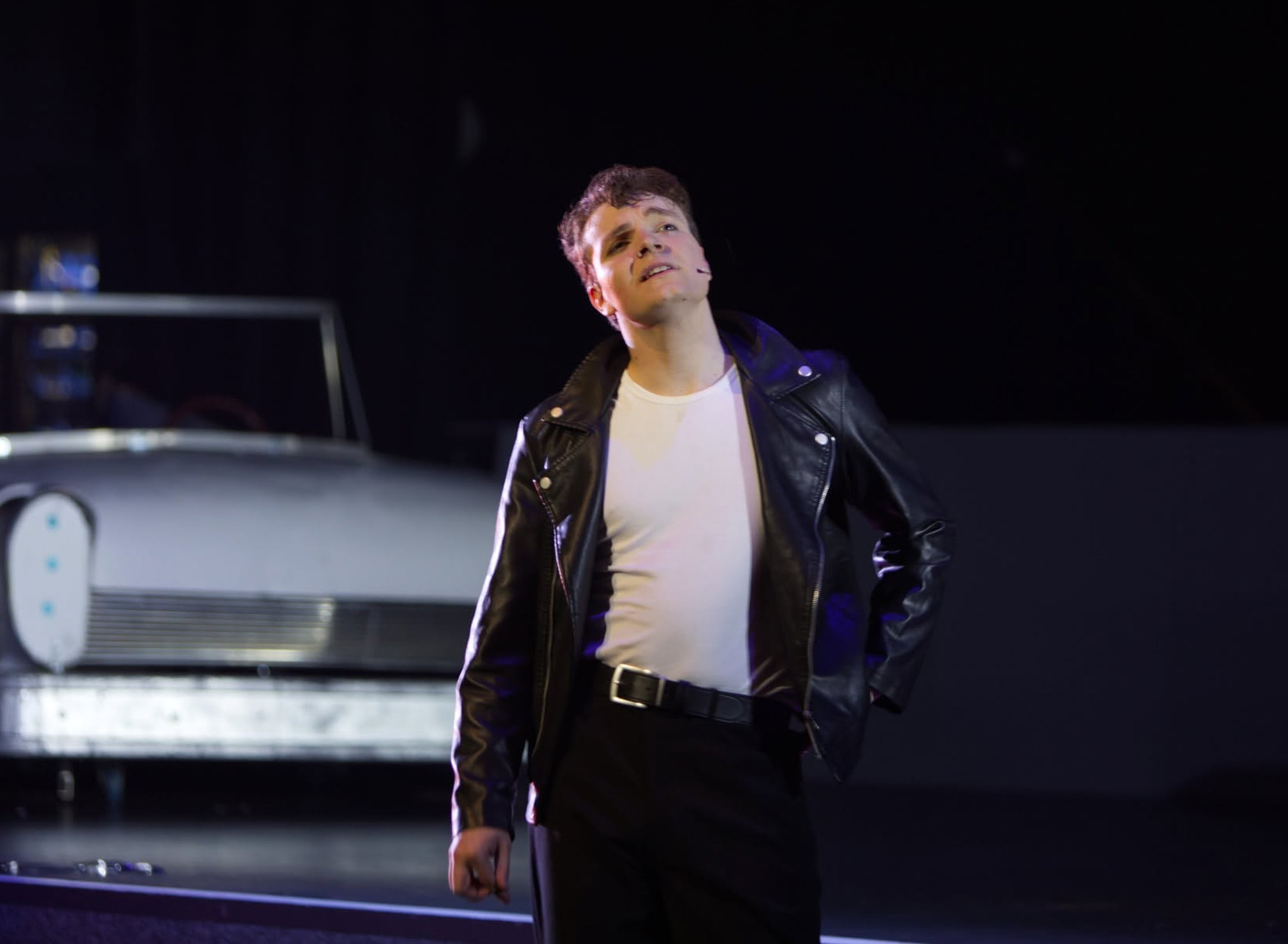
Lachlan Dodd leans into Danny’s peacocking and absolute lack of relationship competence. There are points where I’m practically willing Sandy to grab her cardigan and save herself the trouble, which says a lot about how fully Dodd commits to the character. He also finds plenty of comedy in Danny’s cool-guy swagger. Vocally, “Sandy” is where Dodd finally gets the stage to himself, and he sounds superb. His warm tone carries the number easily, while “Summer Nights” and “You’re the One That I Want” show how naturally he fits the score.
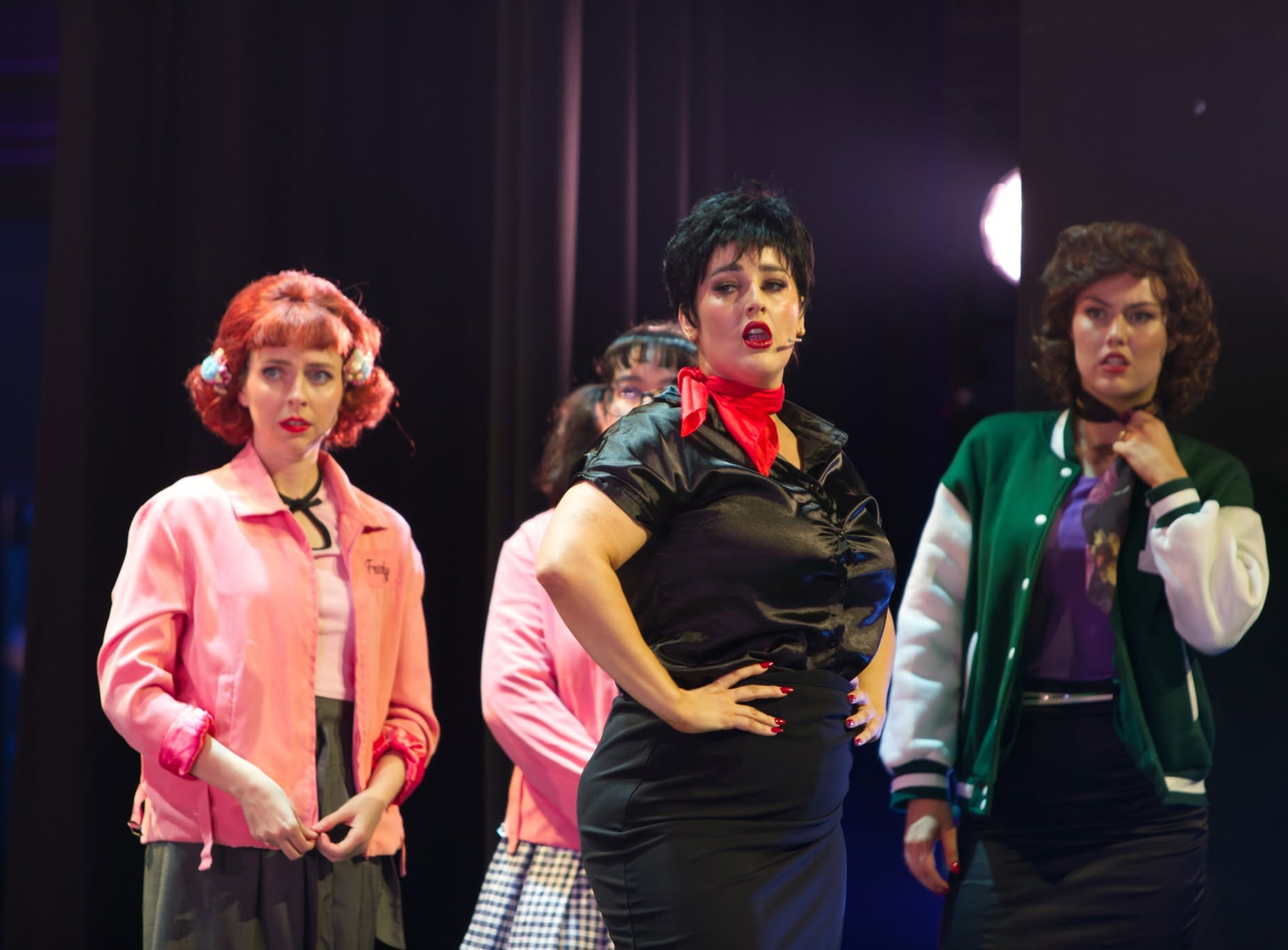
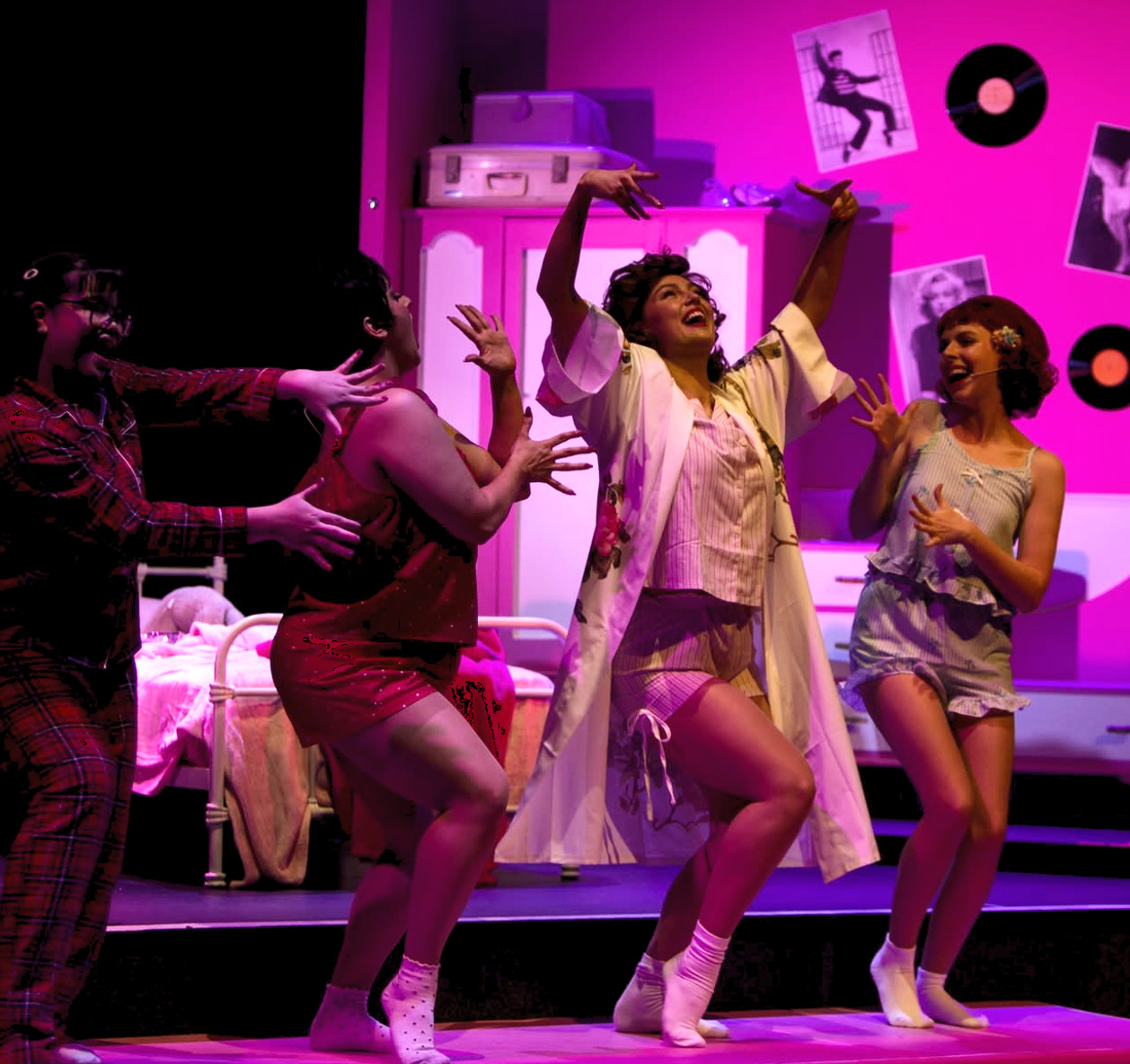
The Pink Ladies are one of those groups where everyone feels exactly right for the part. Elly Rowbotham’s Marty has the poise and self-assurance the role needs, with “Freddy, My Love” giving her a lovely chance to settle into the character’s teenage romantic fantasy. Trinity Young makes Jan’s awkwardness completely endearing, Olivia MacGillivray gives Frenchy an easy sweetness, and Jaime O’Donoghue cuts through the group with Rizzo’s dry bite. Together, they nail those doo-wop harmonies and that teenage-girl intimacy where loyalty, gossip, affection, and emotional warfare can all happen within the same five minutes.
Jaime O’Donoghue’s Rizzo could probably make someone cry with a raised eyebrow. Her “Look at Me, I’m Sandra Dee” draws audible reactions from the audience as Rizzo tears Sandy to pieces. Then “There Are Worse Things I Could Do” (my fave) pulls the rug out from under all that attitude. O’Donoghue settles into a darker vocal colour, backed by some killer saxophone from the band, and lets the song breathe. After spending so much of the show armed with a comeback, Rizzo suddenly has nowhere to hide.
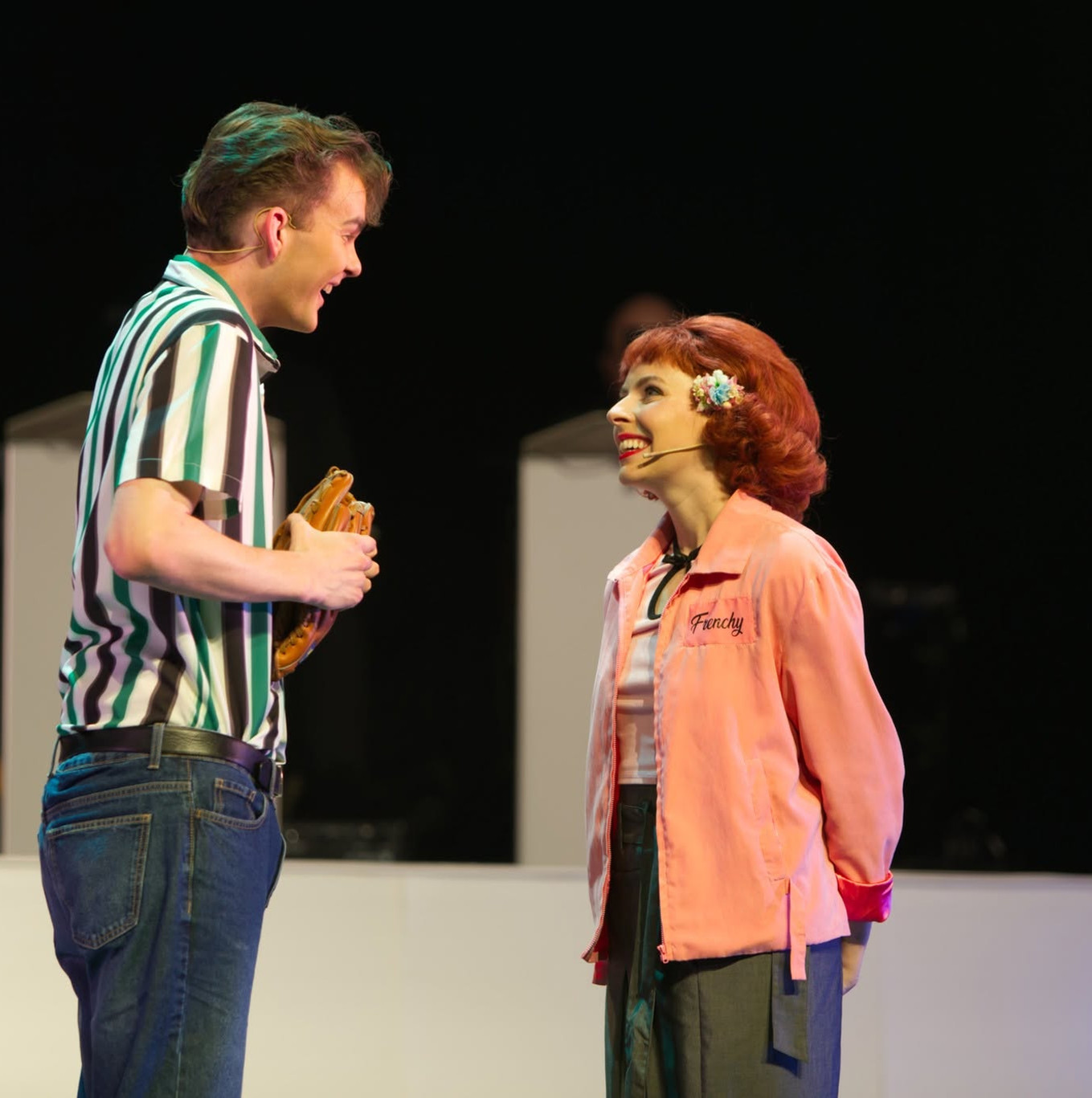
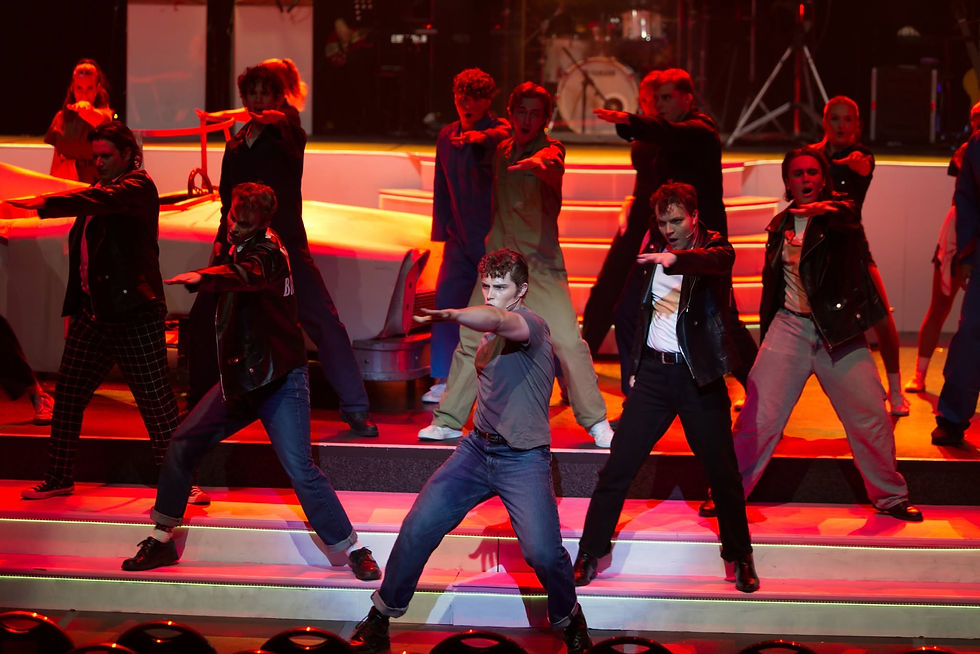
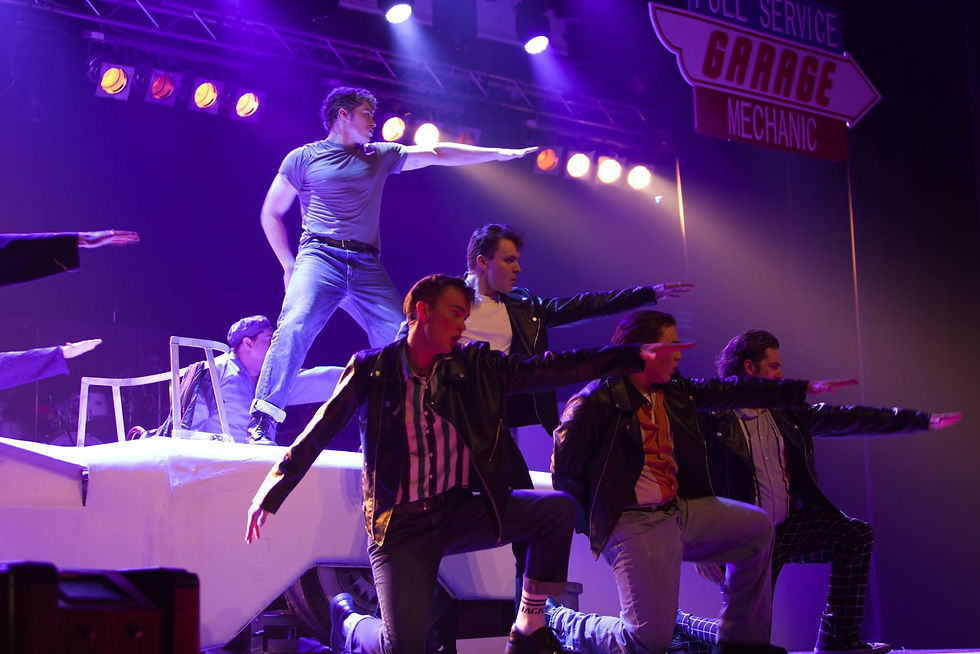
The T-Birds match the girls for personality, with Oliver Edgar’s Kenickie, Alex Holmes’ Doody, Lucas Van Stam’s Sonny, and Pat Daley’s Roger forming a rowdy little ecosystem of bravado, stupidity, and teenage-boy nonsense. “Greased Lightnin’” belongs to Oliver Edgar. As Kenickie, he attacks it with crazy legs, Elvis pelvis, deep vocals, and the air of a teenager who has become sexually attracted to his own car. Around him, the other T-Birds are determined to test the structural integrity of said car. The audience is singing and cheering before the number’s even over (and it gets multiple encores anyway).
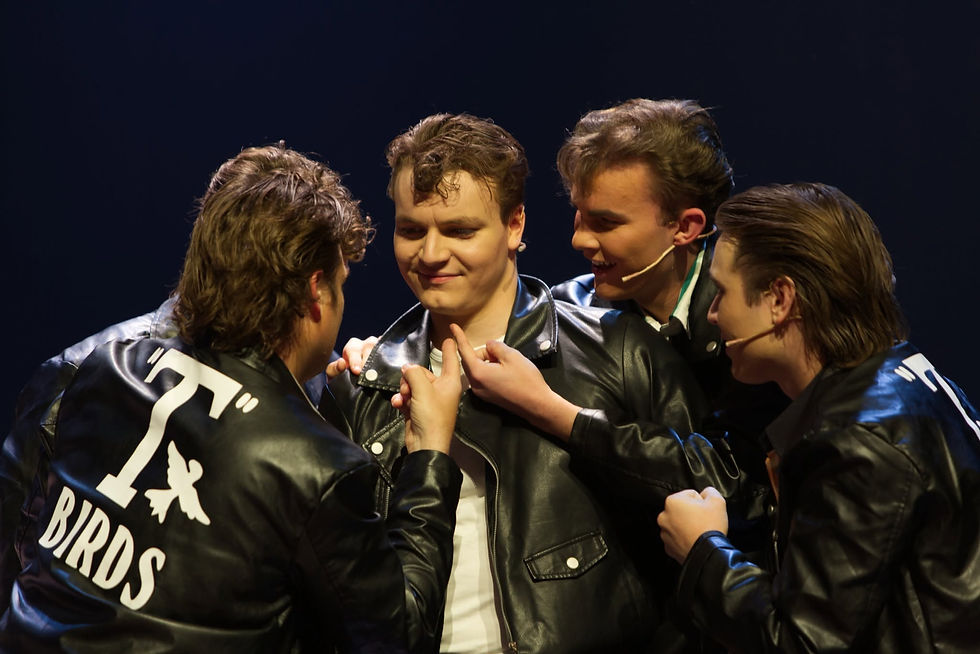
Alex Holmes gets Doody’s big moment in “Those Magic Changes”, sailing into the upper range while the boys around him go feral with the choreography and props. The T-Birds hold their harmonies just as well as the Pink Ladies, and Pat Daley’s Roger gets a crowd favourite with “Mooning”, joined by Trinity Young’s Jan for one of the show’s sillier little duets. This cast commits to every bit (but no butts are seen).
Oliver Edgar also provides opening night with an unintended moment of drama when his foot catches on a loose stair and sends him tumbling. As somebody who has personally broken a foot on a dodgy stage step, I felt panic in my soul. Thankfully, Edgar recovers instantly and later drops into a jazz split like it’s nothing. Excuse me, stage queen!
Tobey Ogilvie as Patty Simcox certainly knows how to get noticed. Always operating at 170% enthusiasm, with a crush on Danny so obvious she may as well be carrying a neon sign, Patty treats every entrance as another chance to get herself directly into his orbit. Meanwhile, Jaxon Anderson’s Eugene occupies the opposite end of the Rydell social food chain, attracting plenty of sympathy from the audience. Ipswich River 94.9’s Greg “Hinksy” Hinks plays Vince Fontaine, because the easiest way to cast a convincing radio personality is simply to go and get one!
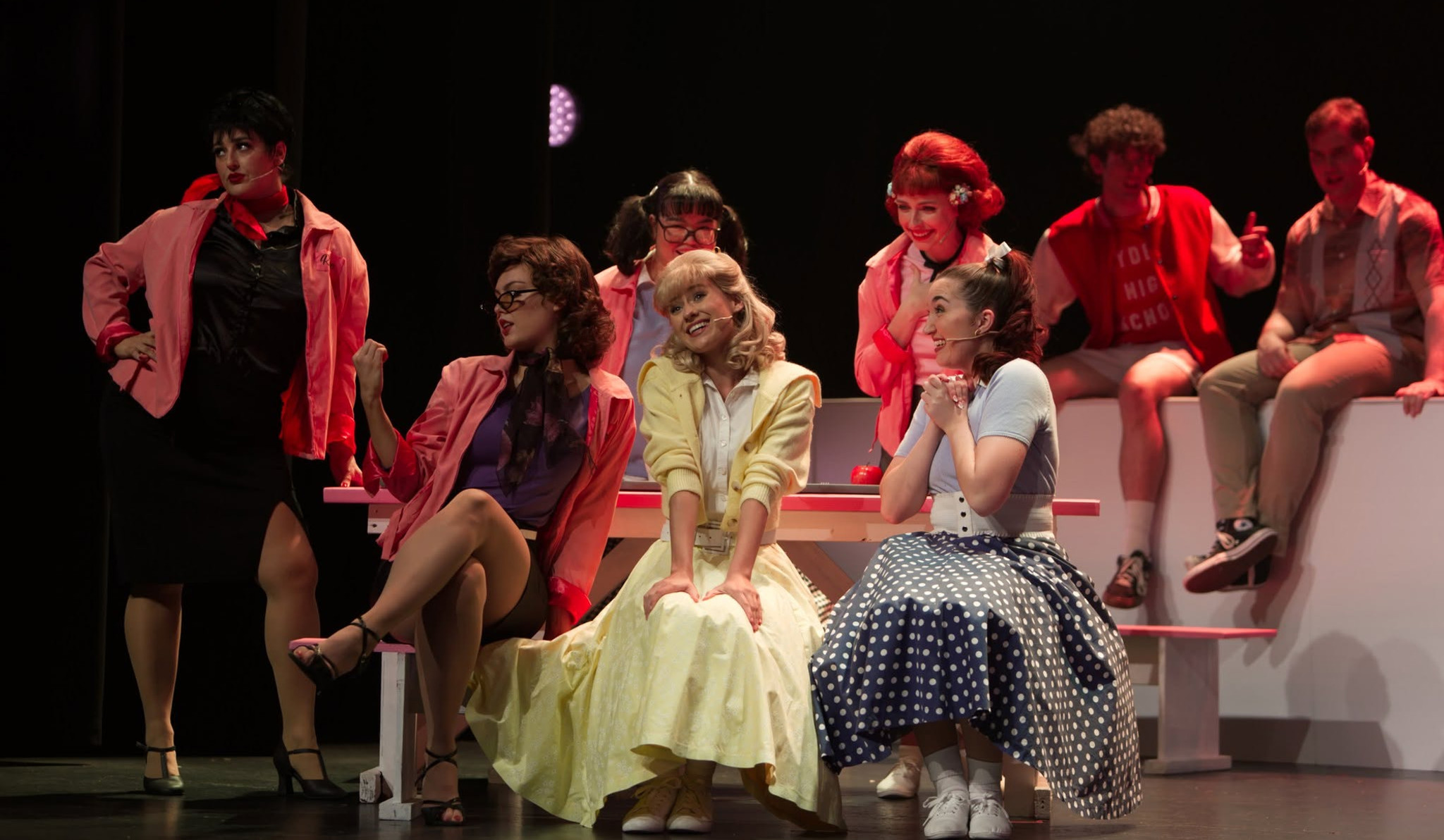
Under Thomas Armstrong-Robley’s direction, this huge cast behaves exactly like a bunch of teenagers left unsupervised. They’re loud, hormonal, and always ready to flirt, sulk, gossip, or start trouble. A few jokes fall flatter than intended. Timing and enunciation play a part, as does material that’s showing its age, while busy staging occasionally pulls the eye away from the punchline.
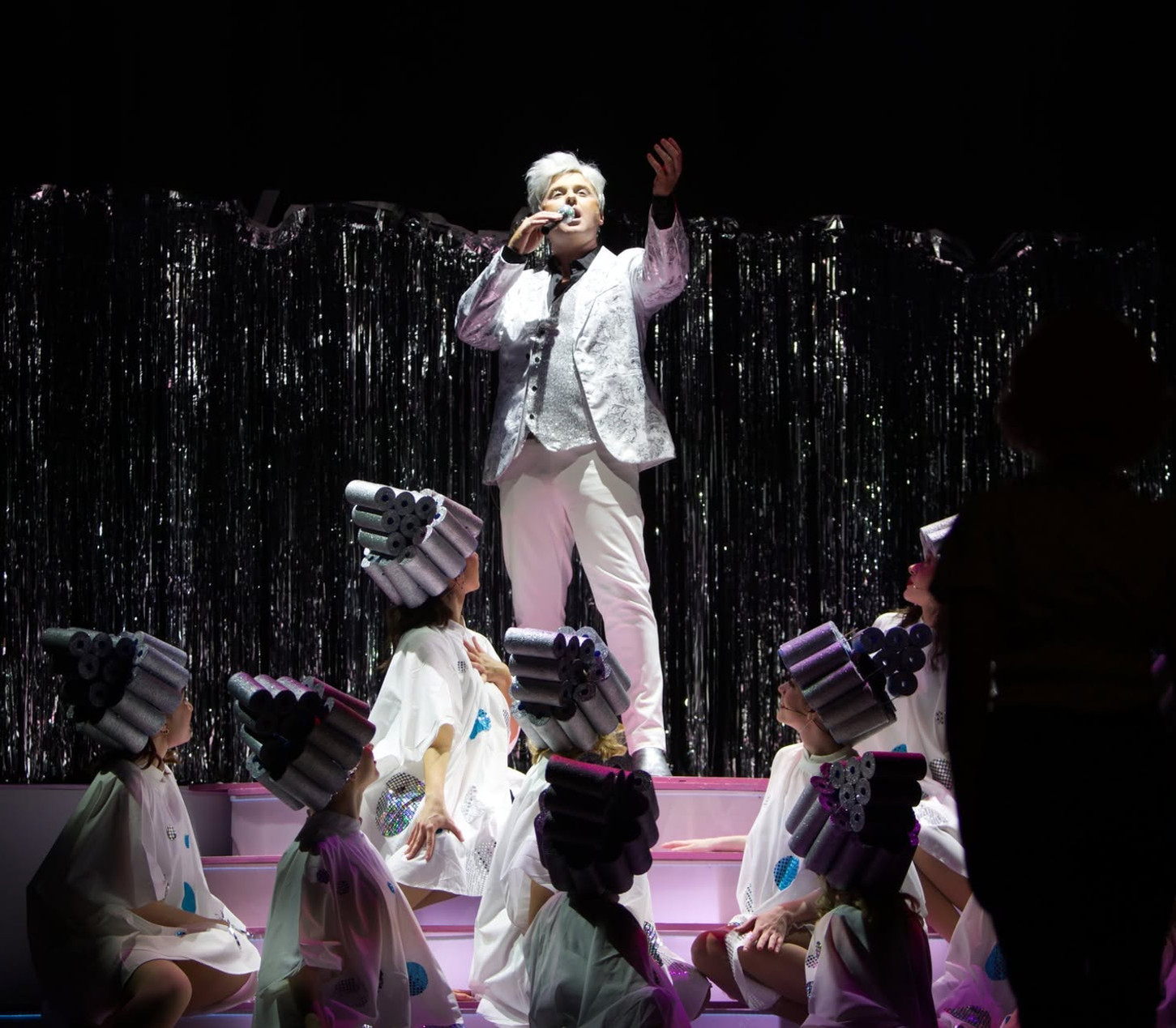
Then there’s “Beauty School Dropout”... Thomas Armstrong-Robley steps out from behind the director’s chair to play Teen Angel, appearing in a huge white wig somewhere between celestial lounge singer and Beetlejuice after an aggressive bleaching session. The whole sequence goes gloriously over the top, with LED-lit steps, a glitter curtain, spotlights, and the women’s ensemble in sparkling aprons and hair rollers. Armstrong-Robley throws himself into every bit of the cameo. The number does, however, keep going... And going. Every moment gets milked for all it’s worth until the scene starts feeling like its own mini cabaret, slowing Act Two more than it needs to. By the time Teen Angel has completed his celestial residency, I feel as though Frenchy could’ve finished beauty school after all.
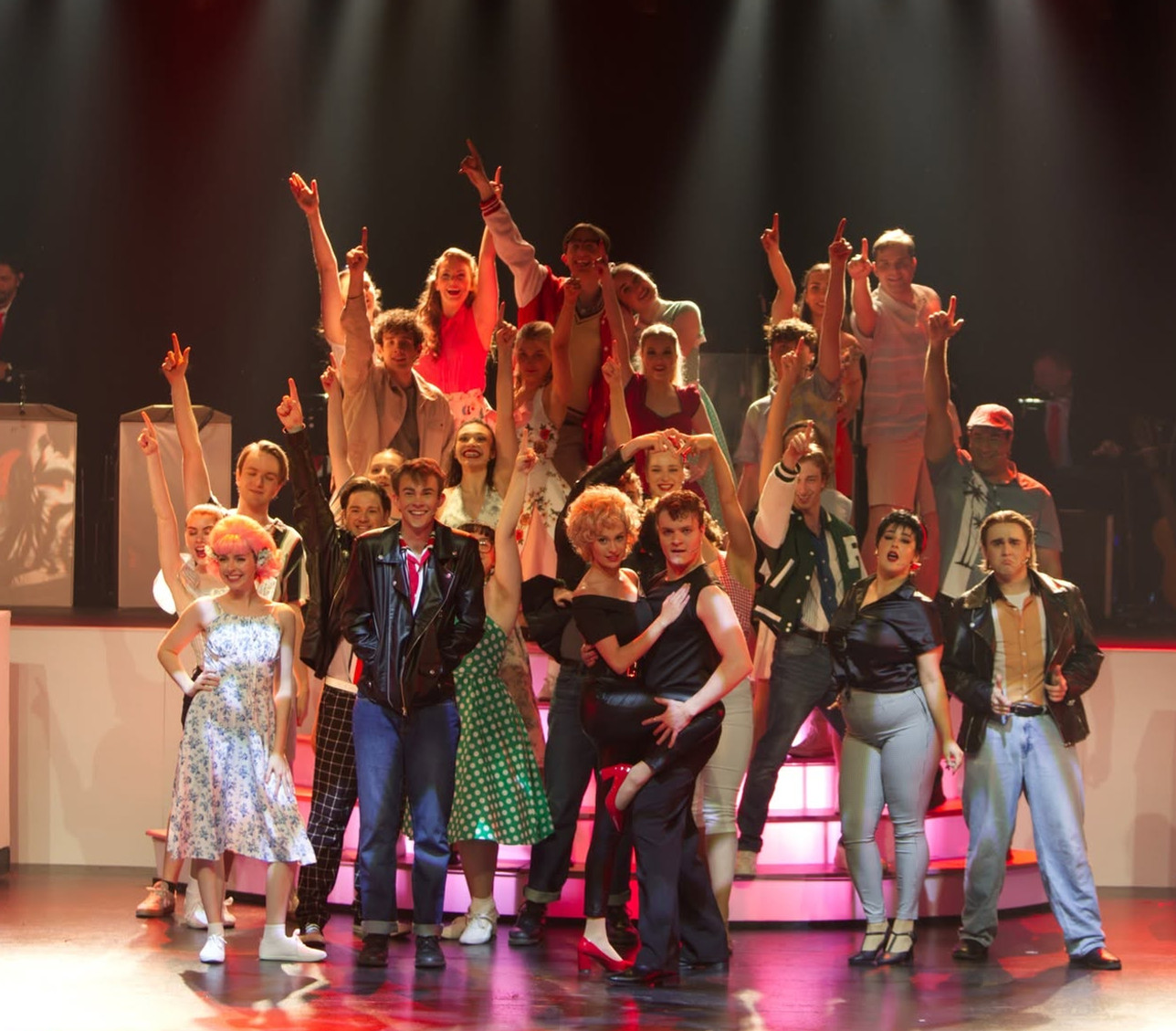
Simon Lind’s choreography grabs me early. It’s inventive, tight, and stylistically varied, and the cast look happiest when handed a big dance sequence to devour. “Born to Hand Jive” fills the stage with big skirts and ’50s dance vocabulary, with Lachlan Dodd and Annie Sutherland’s Cha-Cha tearing through the dance contest with flashy flourishes and lifts. The sheer number of bodies moving around the Civic stage creates the school-dance frenzy the scene needs.
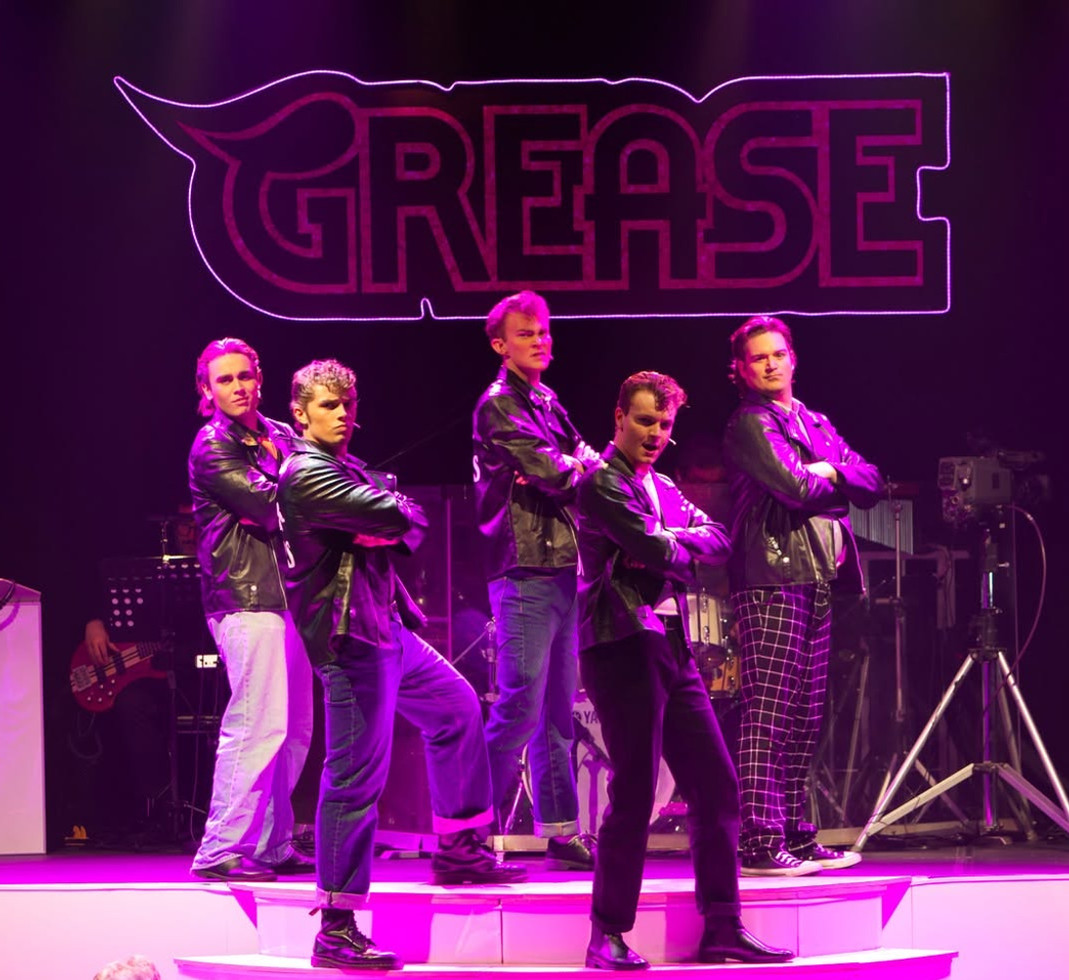
The band sits elevated across the rear of the stage, visible through much of the show, while the set stays fairly simple for the scale of the Civic Centre. Two staircases dominate the space, with a jukebox and smaller pieces shifting us between locations. It leaves plenty of room for the cast to dance (which they absolutely need), though a few transitions still have that final-dress-rehearsal feeling. Scene changes occasionally sit in dead space, and late or missing blackouts leave us watching the reset happen.
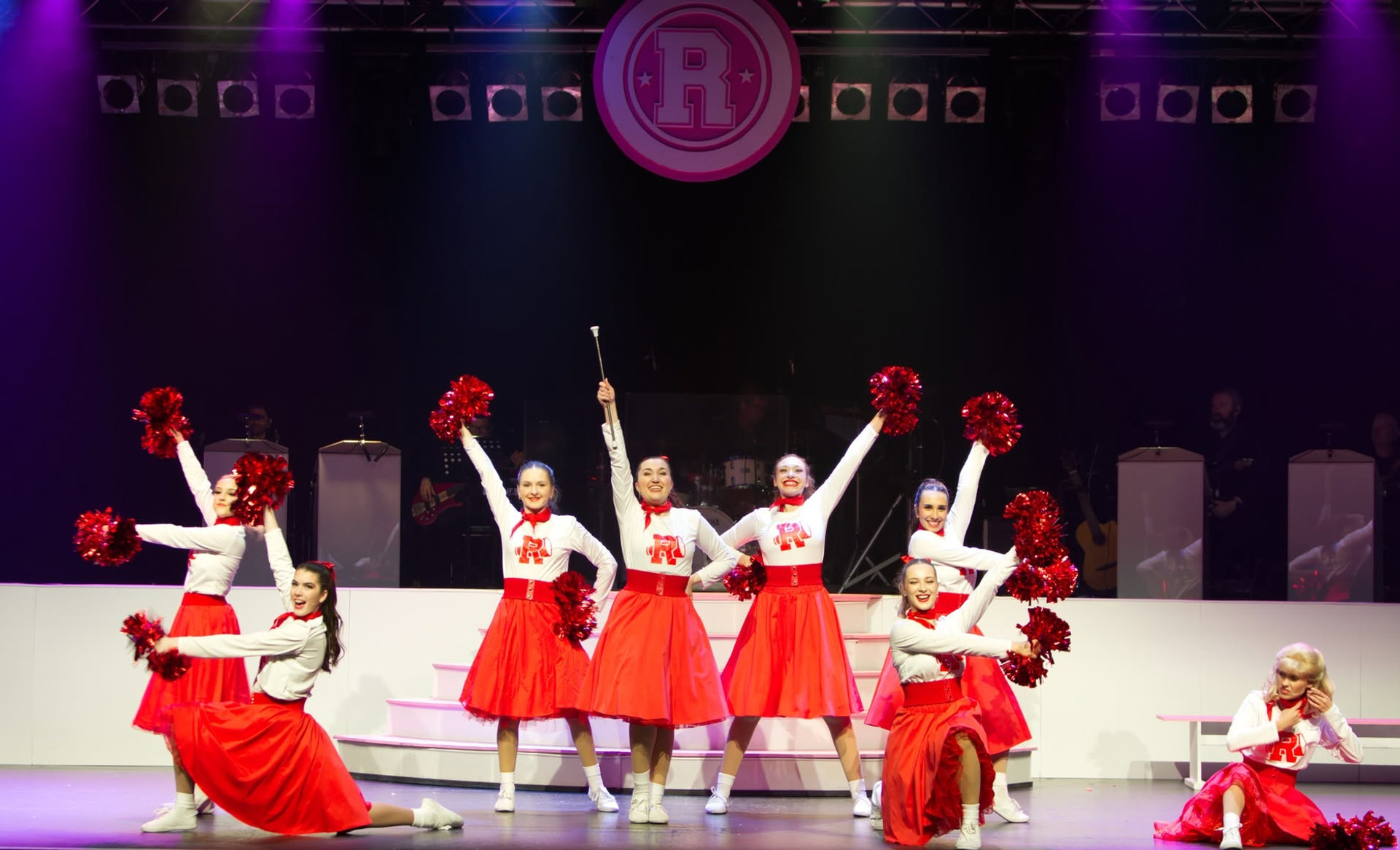
Opening night still had a few technical edges to smooth out. The sound mix also gets crowded when the full company joins in. With microphones on almost everyone, backing vocals can overpower the lead, and some dialogue gets lost between the accents, enunciation, and mic balance. You can hear that the cast know the material, but the mix doesn’t always let the right voice come through.
Lighting could help guide the eye more through the larger scenes, too. With so much of the stage fully lit, I sometimes found myself watching movement elsewhere while someone was speaking. During the dance sequence in particular, dialogue bounces around the company and there were a few moments where I genuinely had no idea who the voice belonged to.
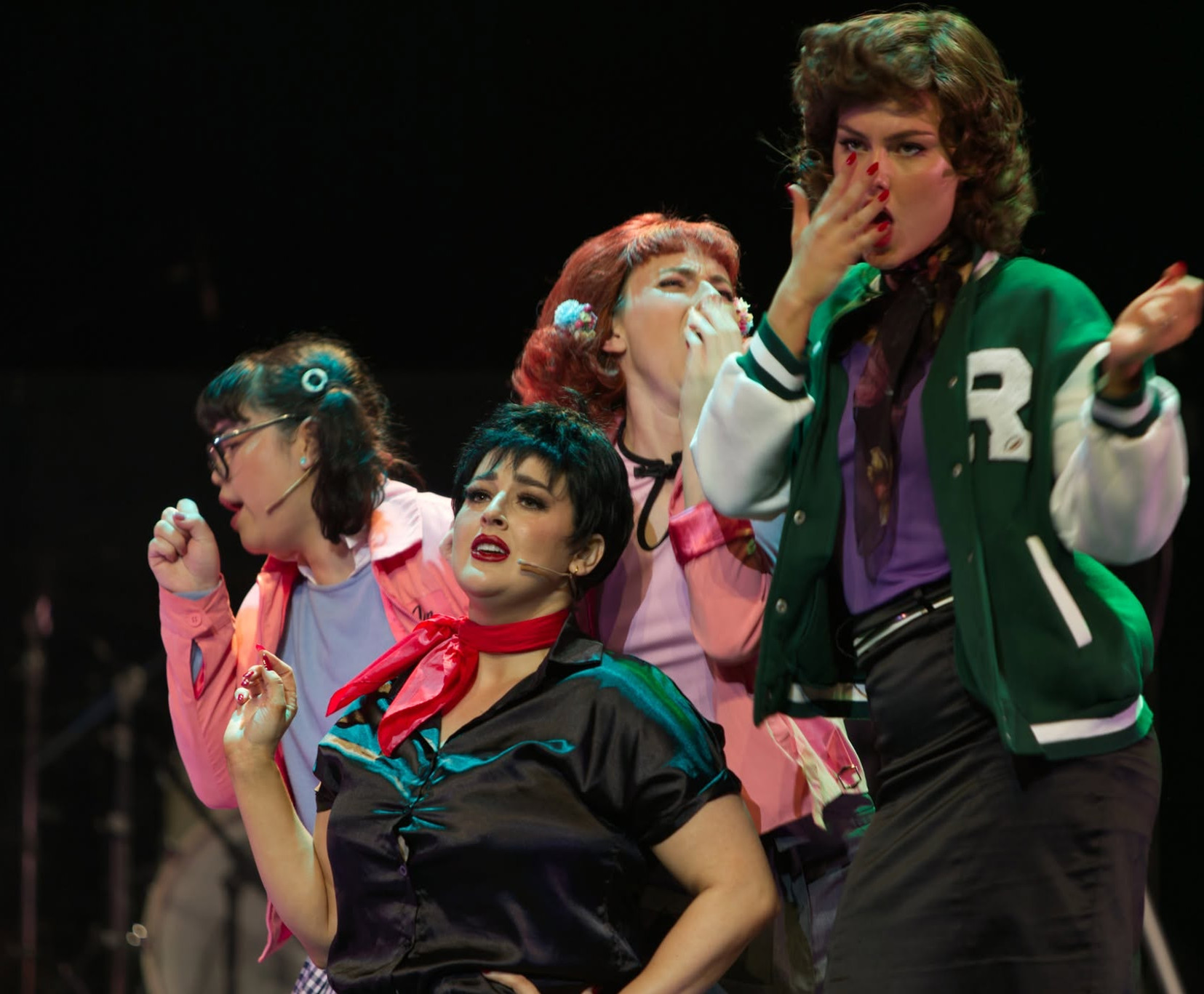
Costumes by Delma Odger and Kaisa Howard, with wigs, hair, and makeup by Odger, suit each character nicely. Nobody looks like they’ve been handed the same generic ’50s costume from a rack, and everything fits extremely well. I particularly loved Sandy’s main wig. Then she returns for the finale having spent intermission backstage with Dolly Parton’s hairdresser.
Then there’s the actual plot of Grease (none of which is IMTC’s fault). Ah yes, 1959... when boys treated girls terribly, discussed them as bodies to be conquered, and our romantic conclusion involves Sandy changing her clothes, hair, behaviour, and general identity to keep her man happy. Romance!
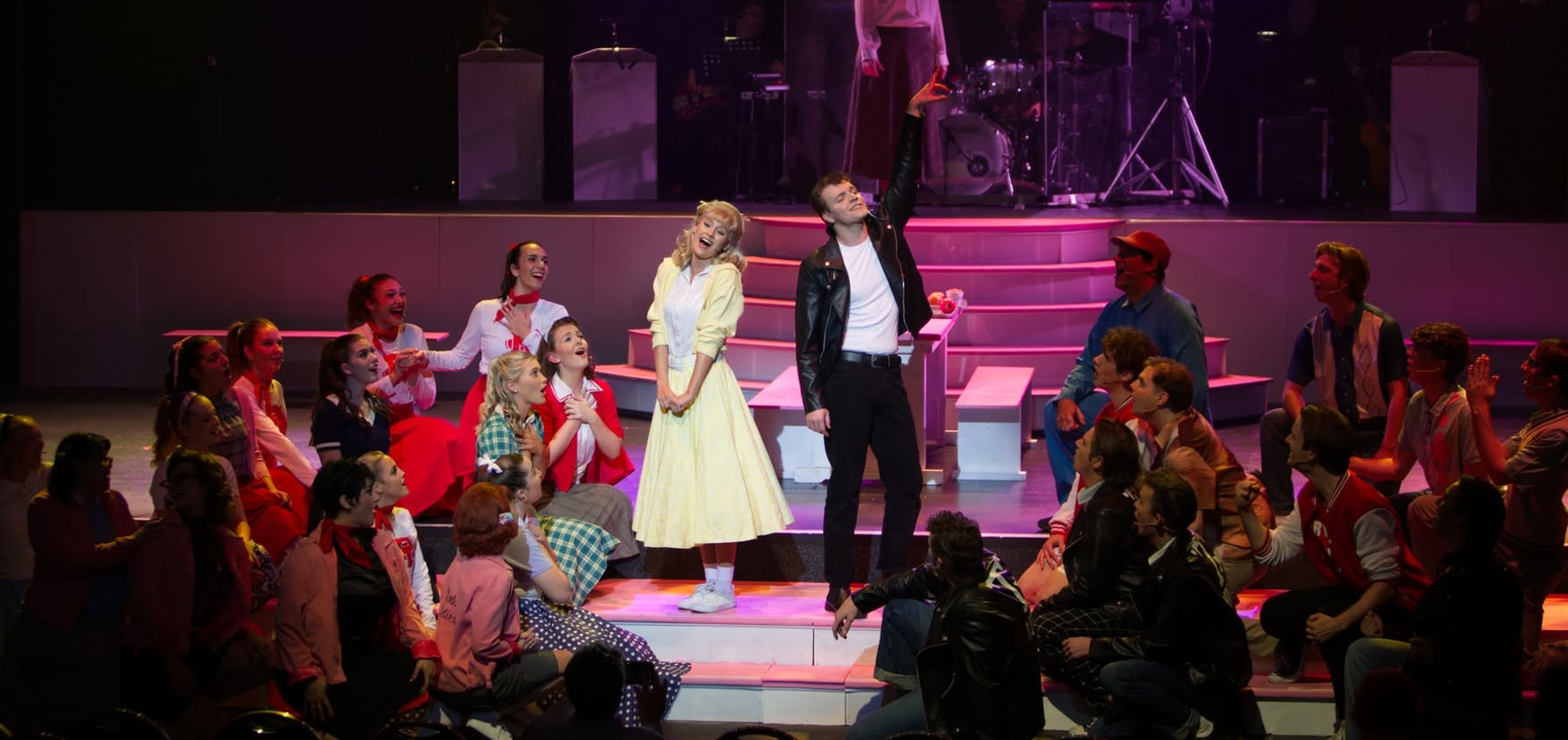
And then there’s “We Go Together”, which the stage musical places at the end of Act One. We’ve reached neither graduation nor resolution, nobody has learned anything, and suddenly everyone is celebrating eternal friendship. It’s a strange bit of structure, but once the full company piles onto the stage, the sheer energy carries it.
By the finale, the audience is singing along to “You’re the One That I Want,” the cast is still somehow finding energy, and Rydell High has descended into one last frenzy. IMTC has assembled a fantastic cast willing to throw themselves bodily into Grease (sometimes literally down the stairs). For all the opening-night rough edges, I mostly remember just how much fun the people onstage were having together.


Comments